Table Of Contents
Common Issues with Garage Door Springs
Garage door springs are crucial components that enable smooth operation. Over time, wear and tear can lead to several common issues, including noisy operation, difficulty opening or closing the door, and noticeable gaps when the door is closed. These problems can signal that the springs are losing tension or failing altogether, causing inconvenience and safety concerns.
Homeowners often overlook the condition of their garage door springs until they experience issues. Regular maintenance can help identify potential problems early and prevent complete failure. When issues arise, searching for “Garage Door Spring Replacement near me” can connect you with local professionals who can quickly address the situation and restore your garage door’s functionality.
Signs Your Spring Needs Replacement
One of the most evident signs that your garage door spring needs replacement is if the door does not open or close smoothly. You may notice that it struggles to lift or makes unusual noises during operation. A spring that is worn out or damaged can cause your door to become unbalanced, leading to further complications if not addressed promptly. If you find yourself repeatedly wrestling with a stubborn door, it’s time to look into options for garage door spring replacement near me.
Another indication that your spring may be reaching the end of its lifespan is if it appears to be stretched or has visible gaps. Springs that are frayed or show significant rust should be replaced as they can affect the safety and functionality of your garage door. Regular inspections can help you catch these issues early. If you see these warning signs, searching for a reliable service for garage door spring replacement near me can save you from more extensive repairs down the road.
Lifespan of Garage Door Springs
Garage door springs typically have a lifespan measured in cycles, with one cycle representing a complete opening and closing of the garage door. Standard torsion springs can last anywhere between 7,000 to 15,000 cycles, depending on their quality and the frequency of use. If you’re using your garage door multiple times a day, the lifespan may shorten significantly. Homeowners should keep in mind that regularly maintaining these springs can help extend their usability.
As springs age, they might show signs of wear, making it critical to monitor their condition. If you notice unusual noises or difficulty in opening and closing the door, it might be time to look into a garage door spring replacement near me. Understanding the expected lifespan of your specific garage door springs can also guide your decisions on replacements and routine maintenance. Keeping track of the cycles can save you time and money in the long run.
How Many Cycles Should You Expect?
Garage door springs are designed to endure a specific number of cycles, with one cycle representing a complete open and close of the door. Generally, standard residential springs last about 10,000 cycles. Heavy-duty springs can last for around 15,000 to 20,000 cycles. The lifespan can vary depending on factors such as usage frequency, door weight, and the quality of the springs, making it crucial to understand when a replacement may be necessary.
When considering garage door spring replacement, investigate options for garage door spring replacement near me to ensure you find quality services nearby. Regular maintenance can also help extend the life of your springs, but be mindful of signs indicating they are reaching the end of their lifespan. Knowing the expected number of cycles can aid in budgeting for future repairs and maintaining the functionality of your garage door system.
Safety Precautions When Replacing Garage Door Springs
Replacing garage door springs requires strict adherence to safety precautions. Always wear appropriate safety gear, including goggles and gloves. These springs are under high tension and can cause serious injury if mishandled. Secure the garage door in the open position with locking pliers to prevent it from falling while you work. Ensure that the area is clear of obstacles and distractions to maintain focus on the task at hand.
Additionally, familiarizing yourself with the specific type of spring you are replacing is crucial. Before starting, consult the manufacturer’s instructions or online resources related to “Garage Door Spring Replacement near me,” as local guidelines may provide insights tailored to your community’s regulations. Having the right tools on hand, such as a winding bar and a socket set, will enhance safety and efficiency during the replacement process.
Tools Needed for a Safe Replacement
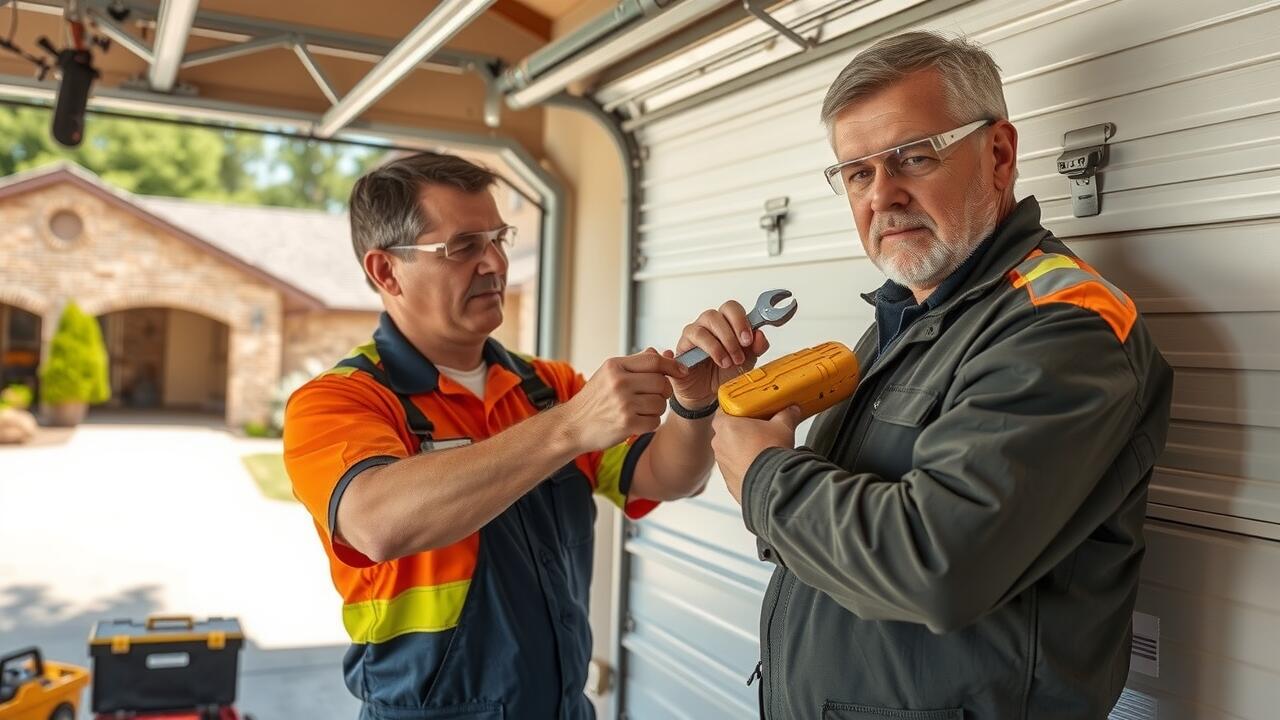
When preparing for a garage door spring replacement, having the right tools on hand is essential for a safe and effective process. The basic toolkit should include a winding bar, a ratchet wrench with appropriate sockets, and pliers. Additionally, a sturdy ladder may be necessary to reach the garage door spring assembly. Safety glasses and gloves are also recommended to protect yourself from potential injuries. Being well-equipped will streamline the replacement process and minimize risks.
Other tools that may be helpful include a torque wrench, which allows for precise adjustments, and a safety cable to prevent the spring from causing damage if it breaks. It’s also wise to have a helper present, especially if you’re unfamiliar with DIY repairs. If you’re uncertain about the procedure or feel uncomfortable at any point, consider searching for “Garage Door Spring Replacement near me” to find professional services in your area. This can provide peace of mind and ensure the job is done correctly.
FAQS
What are the different types of garage door springs?
The two main types of garage door springs are torsion springs and extension springs. Torsion springs are mounted above the door and are used for heavier doors, while extension springs are located on either side of the door and are typically used for lighter doors.
How can I tell if my garage door spring is broken?
Signs of a broken garage door spring may include the door not opening or closing completely, an audible noise when operating the door, or the door appearing uneven or sagging. If you notice these issues, it’s advisable to inspect the springs.
How do I determine the right size spring for my garage door?
To find the correct size spring, measure the existing spring’s length and diameter, as well as the weight of your garage door. You can consult with a garage door specialist or refer to manufacturer specifications to ensure you select the appropriate replacement.
Is it safe to replace a garage door spring myself?
Replacing garage door springs can be dangerous due to the high tension they are under. It’s recommended to follow safety precautions and use the correct tools, or to hire a professional if you are not experienced with this kind of repair.
How often should I replace my garage door springs?
The lifespan of garage door springs can vary, but they typically last between 7 to 15 years, depending on usage. If you notice any signs of wear or if the springs have reached their cycle limit, it’s time to consider a replacement.
